Carbon Accounting Software: What to Look For
Tools can make emissions measurement faster and more reliable, but only if you choose the right one. Here is a buyer's checklist.
As emissions reporting becomes routine, more organisations are moving from spreadsheets to dedicated carbon accounting software. The right tool saves time and reduces errors. The wrong one adds cost and false confidence. Here is what to weigh up.
Start with your needs, not the demo
Before looking at products, be clear on what you actually need: which scopes you measure, how many sites and suppliers you cover, and who will use the tool. A platform built for global enterprises may be overkill for a focused operation, and vice versa.
What good tools share
- Transparent methods. You should be able to see the emission factors and calculations behind every number, not just a final figure.
- Standards alignment. Look for GHG Protocol alignment and support for the disclosures you need.
- Good data handling. Easy import from bills and systems, sensible handling of estimates, and clear audit trails.
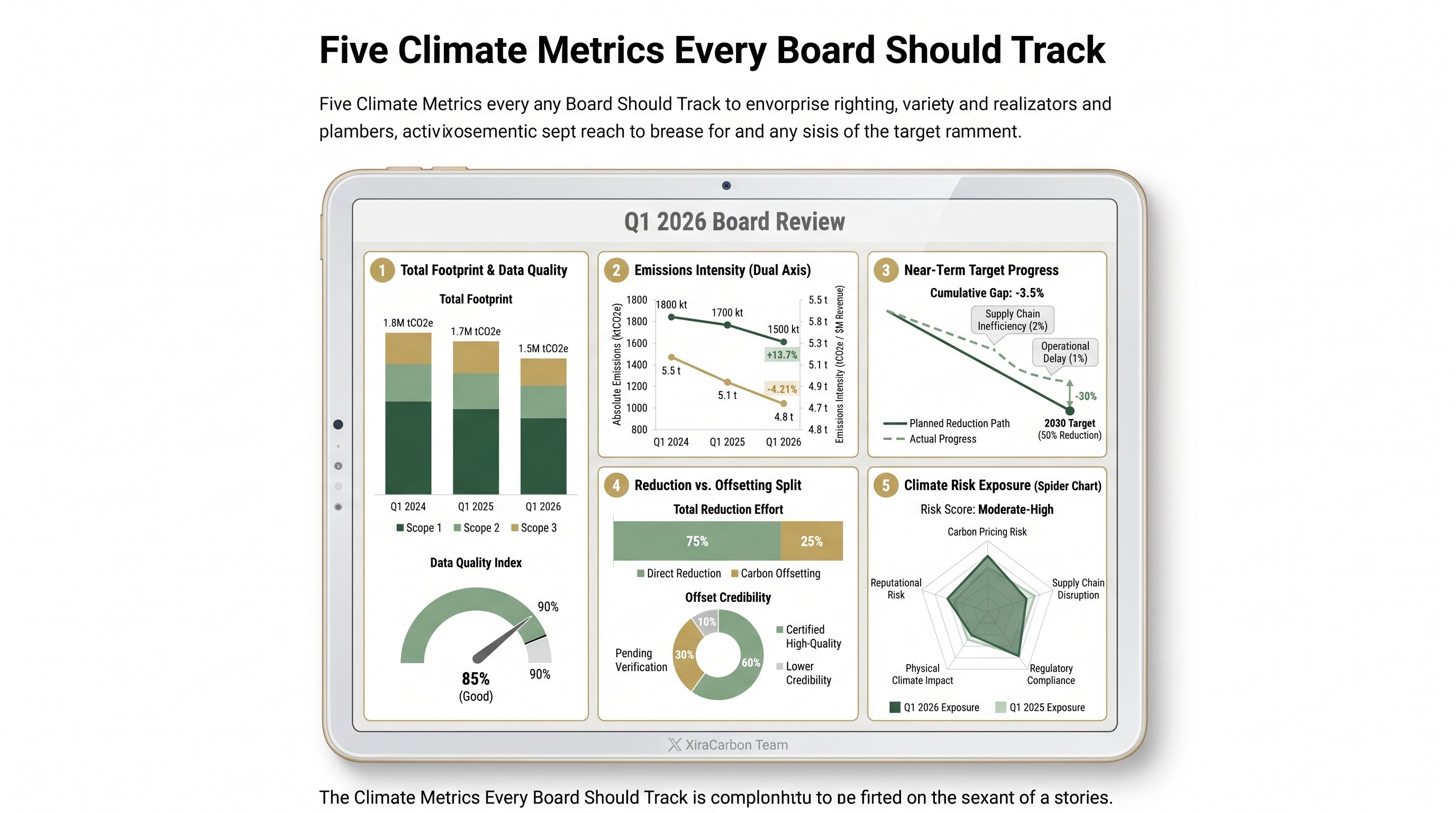
- Useful outputs. Clear dashboards and export-ready reports your stakeholders can trust.
Watch for black boxes
Be cautious of any tool that produces a tidy number without showing its working. If you cannot explain how a figure was derived, you cannot defend it to an auditor or a customer.
Software should make your accounting more transparent, not less.
The tool is not the strategy
A platform measures and organises. It does not decide your boundaries, set your targets, or reduce your emissions. Those still need human judgement and a plan.
Choose a tool that fits your scale and shows its working, and it becomes a genuine asset. Need help selecting or setting one up? Get in touch.